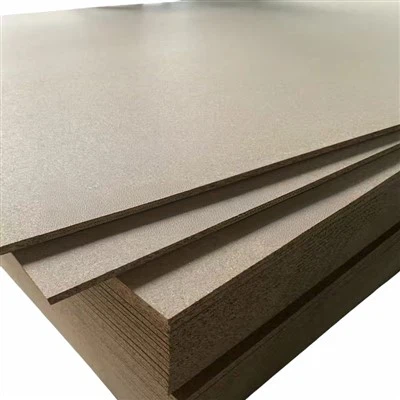
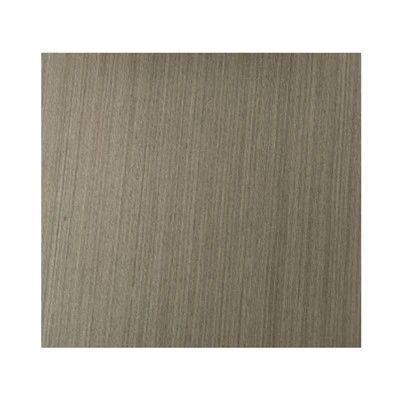
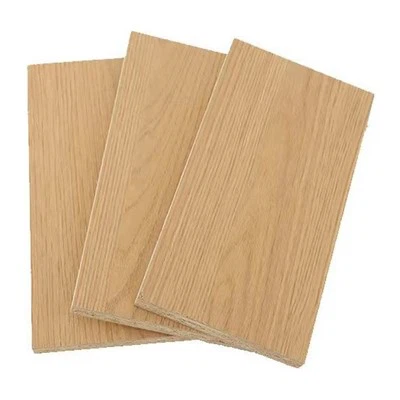
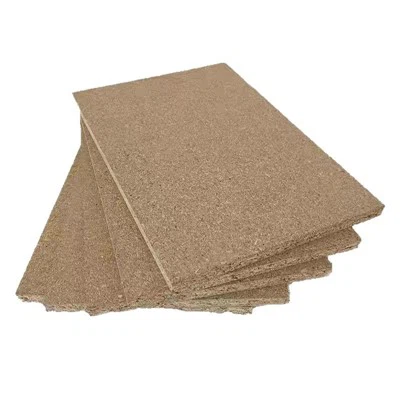
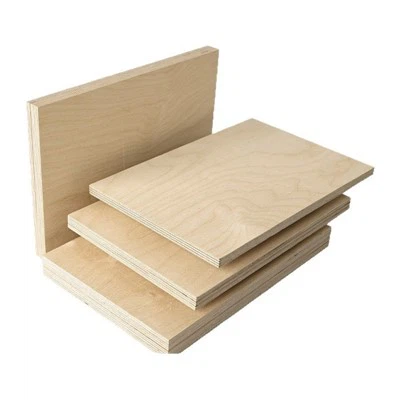
The concepts differ: moisture-resistant board requires the addition of moisture-resistant particles to the melamine substrate, and the colors can be divided into green and red, with the red moisture-resistant particles having better performance. Particleboard, on the other hand, is made from wood and other wood fiber scraps as raw materials, with adhesives added, and then manufactured into artificial board under the action of heat and pressure. The composition also differs: moisture-resistant board contains a moisture-proofing agent in its core, while particleboard does not undergo moisture-proofing treatment.
When we are building and decorating houses, we often use many types of boards. The differences between different boards are significant. So, what are the differences between moisture-resistant board and particleboard?
What are the differences between moisture-resistant board and particleboard?
The concepts differ: moisture-resistant board requires the addition of moisture-resistant particles to the melamine substrate, and the colors can be divided into green and red, with the red moisture-resistant particles having better performance. Particleboard, on the other hand, is made from wood and other wood fiber scraps as raw materials, with adhesives added, and then manufactured into artificial board under the action of heat and pressure.
The composition also differs: moisture-resistant board contains a moisture-proofing agent in its core, while particleboard does not undergo moisture-proofing treatment.
What are moisture-resistant board and particleboard?
Moisture-resistant board is produced by adding a corresponding proportion of moisture-resistant particles to the base material. This prevents the board from easily swelling when exposed to water. Moisture-resistant putty is normally available in red and green colors; green is common, but red has much better performance and is generally used on countertops. However, moisture-resistant board cannot be directly used in furniture; a decorative veneer must be applied to the surface.
Particleboard has a granular cross-section internally, normally divided into three layers. The middle layer has larger particles, while the two outer layers have smaller particles. The particles in the middle layer have a directional orientation, which ensures the stability of the board. This type of board overcomes the defects of natural wood. Because it does not easily deform and has stable physical properties, it is widely welcomed in the furniture industry.