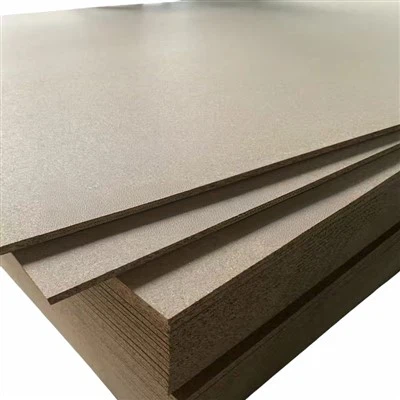
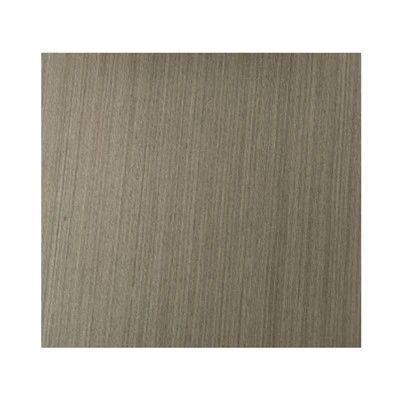
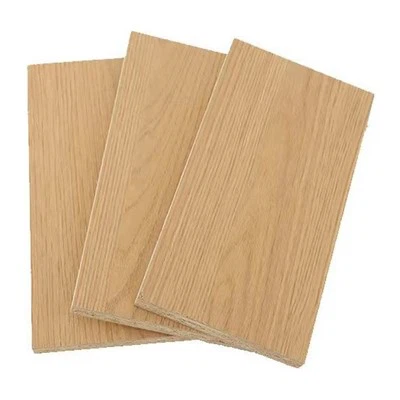
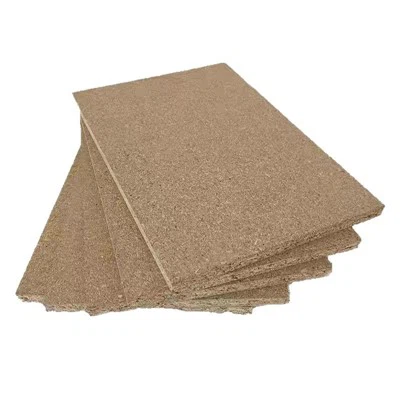
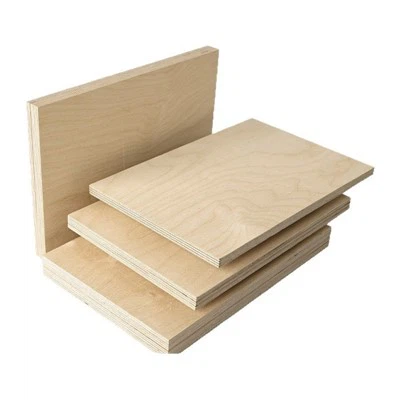
Moisture-Resistant Board Material Composition
Moisture-resistant boards typically use particleboard or MDF as a base material, with the addition of moisture-resistant agents (such as paraffin or silane) and a melamine surface finish. High-quality moisture-resistant boards use long-fiber raw materials such as pine wood, and the moisture-resistant agent is permeated into the interior through high-temperature and high-pressure processes, not just applied to the surface. Some products use environmentally friendly MDI glue, free of formaldehyde, phenol, and other harmful substances, but inferior products may use formaldehyde-containing adhesives or excessive chemical additives.
Harmful Substance Release Standards
According to the national mandatory standard GB 18580-2025, from June 1, 2026, the formaldehyde release of engineered wood products must reach E0 level (≤0.050 mg/m³). High-quality moisture-resistant boards should meet the E1 level (≤0.124 mg/m³) base material standard, and ENF level (≤0.025 mg/m³) products are preferred. When purchasing, check the "water absorption thickness expansion rate" (national standard requirement ≤8%) and formaldehyde release data in the test report, and don't just trust promotional terms like "waterproof and moisture-proof."
Health Impact Assessment
In a qualified environment with good ventilation, moisture-resistant boards usually do not pose a health hazard. However, long-term contact with inferior products may lead to the following problems:
- Skin allergies: Inferior moisture-resistant boards may release harmful substances such as formaldehyde and benzene, causing skin redness, itching, or contact dermatitis.
- Respiratory diseases: Volatile substances accumulate in confined environments, which may irritate the respiratory tract, leading to cough, chest tightness, or allergic rhinitis symptoms.
To reduce risks, it is recommended to choose products from reputable manufacturers, maintain indoor ventilation, and avoid direct skin contact with the board surface.