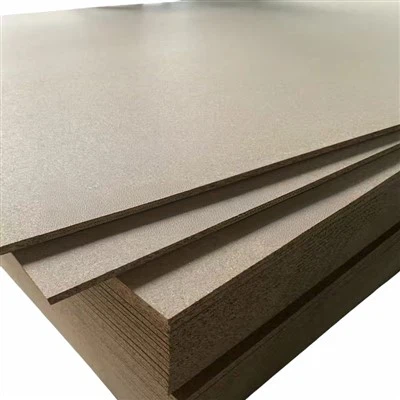
How many times can I take the test for an ENF Grade Sheet?
As a supplier of ENF Grade Sheets, I often receive inquiries from customers about the testing frequency for obtaining an ENF Grade Sheet. This is a crucial question, as it directly impacts the production process, quality control, and market competitiveness of our products. In this blog post, I will delve into the details of how many times one can take the test for an ENF Grade Sheet, the factors influencing the testing frequency, and the importance of this grade in the building materials industry.
Understanding the ENF Grade
The ENF (Emission of Formaldehyde Near - Zero) Grade is a high - standard classification for building materials, especially boards, in terms of formaldehyde emission. It represents a very low level of formaldehyde release, which is highly beneficial for indoor air quality. Products with an ENF Grade are considered environmentally friendly and are in high demand in the market. For example, E1 Board is a common type of board in the market, but the ENF Grade is even more stringent in terms of formaldehyde emission control.


Factors Affecting the Testing Frequency
- Raw Material Variability
The quality of raw materials used in the production of boards can vary significantly. Different batches of wood, adhesives, and other components may have different formaldehyde contents. If the raw materials are sourced from multiple suppliers or regions, the variability can be even higher. In such cases, more frequent testing is necessary to ensure that the final product meets the ENF Grade requirements. For instance, if a new batch of adhesives is introduced, it may have a different chemical composition that could potentially affect the formaldehyde emission of the board. Therefore, testing should be conducted on products made with the new adhesive to confirm compliance. - Production Process Stability
The stability of the production process also plays a crucial role in determining the testing frequency. If the production process is well - controlled and has a low variability, the testing frequency can be relatively lower. However, if there are frequent changes in the production parameters, such as temperature, pressure, or the ratio of raw materials, more tests should be carried out. For example, if a production line is upgraded or modified, it may affect the formaldehyde emission of the products. In this case, testing should be done more often until the new process is stabilized. - Market Requirements
The market requirements can also influence the testing frequency. Some customers or regions may have more stringent requirements for formaldehyde emission. For example, in some high - end real estate projects or environmentally conscious regions, the demand for ENF Grade products is very high, and they may require more frequent testing to ensure product quality. Additionally, regulatory bodies may also have specific requirements for testing frequency, and companies need to comply with these regulations to enter the market.
How Many Times Can One Take the Test?
There is no fixed number of times one can take the test for an ENF Grade Sheet. In general, it depends on the factors mentioned above. For a well - established production process with stable raw materials, testing once every few production batches may be sufficient. However, if there are significant changes in the production process or raw materials, more frequent testing may be required, such as testing every batch or even multiple times within a batch.
It is important to note that continuous testing is not only to meet the regulatory requirements but also to ensure the quality and reputation of the products. By conducting regular tests, we can detect any potential issues early and take corrective actions in a timely manner.
The Importance of ENF Grade in the Building Materials Industry
The ENF Grade is of great significance in the building materials industry. With the increasing awareness of environmental protection and indoor air quality, consumers are more and more concerned about the formaldehyde emission of building materials. Products with an ENF Grade can provide a healthier living environment, which is highly attractive to consumers. For example, Formaldehyde - free Board Materials and Formaldehyde Removal Board are popular choices for those who are looking for environmentally friendly building solutions.
Moreover, the ENF Grade can also enhance the competitiveness of companies in the market. In a highly competitive market, having products with a high - quality grade like ENF can help companies stand out from the competition and gain more market share.
Encouraging Contact for Purchase and Negotiation
If you are interested in our ENF Grade Sheets or have any questions about the testing process and product quality, we welcome you to contact us for further discussion. We have a professional team that can provide you with detailed information and solutions tailored to your needs. Whether you are a builder, a contractor, or a distributor, our products can meet your requirements and help you create high - quality and environmentally friendly projects.
References
- Relevant industry standards and regulations on formaldehyde emission in building materials.
- Research reports on the impact of formaldehyde on indoor air quality.
- Company - internal quality control documents and testing records.