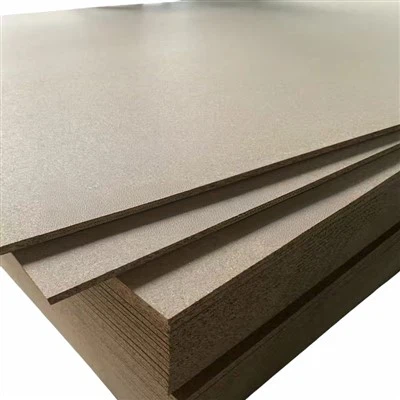
Plywood is a versatile and widely used building material known for its strength, durability, and flexibility. When it comes to plywood, two main types are commonly discussed: interior and exterior plywood. As a plywood supplier, understanding the differences between these two types is crucial for both our customers and our business. In this blog post, we'll delve into the distinctions between interior and exterior plywood, exploring their characteristics, applications, and advantages.
Composition and Manufacturing
Interior and exterior plywood share a basic construction method, which involves gluing together multiple layers of wood veneers. These veneers are typically arranged with their grain directions perpendicular to each other, providing strength and stability. However, the key difference lies in the type of adhesive used and the quality of the wood.
Interior plywood is usually made with a urea - formaldehyde adhesive. This adhesive is cost - effective and works well in dry, indoor environments. The wood used for interior plywood can vary, but it is often selected for its appearance and smooth finish. For example, Fir Core Plywood is a popular choice for interior applications due to its light color and fine texture.
Exterior plywood, on the other hand, is manufactured with a waterproof adhesive, such as phenol - formaldehyde. This adhesive is resistant to moisture, making the plywood suitable for outdoor use. The wood used in exterior plywood is also of higher quality and more durable, as it needs to withstand harsh weather conditions. Wood Core Plywood is often used for exterior applications because of its strength and resistance to decay.
Appearance
Interior plywood is designed to have an aesthetically pleasing appearance. It often has a smooth surface that can be easily painted, stained, or finished. The veneers used in interior plywood are carefully selected for their color and grain pattern, which can enhance the overall look of a room. For instance, Solid Wood Veneer Plywood provides a natural and elegant look, making it ideal for furniture, cabinets, and interior wall paneling.
Exterior plywood, in contrast, is more focused on functionality rather than appearance. While it can still have a decent look, its main purpose is to withstand the elements. The surface of exterior plywood may be rougher and less refined compared to interior plywood, as it is more important for it to be durable and weather - resistant.
Strength and Durability
Interior plywood is strong enough for most indoor applications, such as building shelves, partitions, and furniture. However, it is not designed to withstand prolonged exposure to moisture. If interior plywood gets wet, the urea - formaldehyde adhesive can break down, causing the layers to delaminate.
Exterior plywood is much more durable and can handle exposure to rain, snow, and humidity. The phenol - formaldehyde adhesive used in exterior plywood creates a strong bond between the veneers, preventing delamination even in wet conditions. This makes it suitable for outdoor structures like decks, sheds, and exterior wall sheathing.


Applications
Interior plywood has a wide range of applications in residential and commercial buildings. It is commonly used for interior finishing, such as wall paneling, ceiling tiles, and cabinetry. It is also used in the construction of furniture, including tables, chairs, and bookcases.
Exterior plywood is essential for outdoor construction projects. It is used for building structures that are exposed to the elements, such as roofs, exterior walls, and decks. It can also be used for temporary structures like scaffolding and formwork in construction sites.
Cost
In general, interior plywood is less expensive than exterior plywood. The cost of interior plywood is lower because of the less expensive adhesive used and the potentially lower - grade wood. Exterior plywood, with its waterproof adhesive and higher - quality wood, comes at a higher price. However, the cost difference is justified by its durability and suitability for outdoor use.
Environmental Considerations
When it comes to environmental impact, both interior and exterior plywood have their pros and cons. Interior plywood made with urea - formaldehyde adhesive can emit formaldehyde gas, which is a potential health hazard. However, many manufacturers now produce low - formaldehyde or formaldehyde - free interior plywood to address this issue.
Exterior plywood, while more durable, often requires more energy and resources to manufacture due to the use of waterproof adhesives and higher - quality wood. However, some exterior plywood is made from sustainably sourced wood, which helps to reduce its environmental impact.
Choosing the Right Plywood
As a plywood supplier, we understand that choosing the right type of plywood is crucial for our customers' projects. When deciding between interior and exterior plywood, consider the following factors:
- Location: If the plywood will be used indoors, interior plywood is usually sufficient. For outdoor applications, exterior plywood is the better choice.
- Exposure to Moisture: If the area is prone to moisture, such as a bathroom or an outdoor structure, exterior plywood is necessary.
- Aesthetic Requirements: If appearance is important, interior plywood offers a wider range of options for a smooth and attractive finish.
- Budget: Interior plywood is generally more budget - friendly, but if long - term durability is required, the investment in exterior plywood may be worth it.
Contact Us for Plywood Procurement
If you are in the market for plywood, whether it's interior or exterior, we are here to help. Our team of experts can assist you in selecting the right type of plywood for your specific needs. We offer a wide range of plywood products, including Fir Core Plywood, Solid Wood Veneer Plywood, and Wood Core Plywood.
Contact us today to discuss your plywood requirements and start your procurement process. We look forward to working with you to find the perfect plywood solution for your project.
References
- Forest Products Laboratory. (2010). Wood Handbook: Wood as an Engineering Material. United States Department of Agriculture.
- American Plywood Association. (2023). Plywood Design Specification. American Plywood Association.