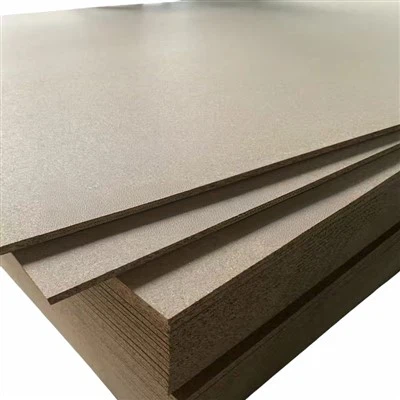
Hey there! I'm a supplier of wood based panels, and I've been in this industry for quite a while. One thing that I've found super interesting is how the texture of wood based panels can have a huge impact on both their appearance and performance. Let's dive into this topic, shall we?
Texture's Impact on Appearance
First off, let's talk about how texture affects the appearance of wood based panels. Texture can give the panels a unique look that can either enhance or detract from their overall aesthetic.
Think about it this way. A smooth - textured panel gives off a sleek and modern vibe. It's clean and can fit well in contemporary interior designs. You know, those minimalist rooms with lots of white space and simple furniture. A smooth panel can be like a blank canvas, allowing you to add your own decorative touches without any distractions from the panel's surface.
On the other hand, a rough - textured panel has a rustic charm. It can bring a sense of warmth and coziness to a space. If you're going for a cabin - like or farmhouse - style interior, a rough - textured wood based panel is the way to go. It gives the impression of being close to nature, as if you've brought a piece of the forest right into your home.
For example, when it comes to Particle Board Products, different textures can completely change how they look. A smooth particle board can be used in high - end office furniture, where a clean and professional appearance is desired. Meanwhile, a rough - textured particle board can be used in more casual settings, like a playroom or a workshop.
The color of the wood can also be affected by the texture. A smooth surface tends to reflect light more evenly, making the color appear more consistent. A rough surface, however, can create shadows and highlights, which can add depth to the color. This can make the wood look more rich and vibrant.
Texture's Impact on Performance
Now, let's move on to how texture affects the performance of wood based panels. The texture can influence several aspects of the panel's performance, such as its strength, durability, and resistance to wear and tear.
A smooth - textured panel usually has a more uniform structure. This means that the forces acting on the panel are distributed more evenly. As a result, smooth - textured panels are often stronger and more stable. They're less likely to crack or break under pressure. For instance, in construction projects where the panels need to support heavy loads, smooth - textured Fir Core Plywood can be a great choice.
On the other hand, a rough - textured panel may have a more porous surface. This can make it more absorbent, which can be both a good and a bad thing. On the positive side, it can be better at holding paint or stains, allowing for a more vibrant and long - lasting finish. However, it also means that the panel is more susceptible to moisture damage. If the panel gets wet, the moisture can seep into the pores and cause the wood to swell or rot.
The texture also affects the panel's resistance to abrasion. A smooth surface is generally more resistant to scratches and scuffs. It's easier to clean and maintain, which makes it a good option for high - traffic areas. A rough - textured panel, while it may look more rustic, can be more easily damaged by friction. But if you're using the panel in a less - trafficked area, like a wall in a bedroom, the occasional scratch might not be a big deal.


Different Types of Wood Based Panels and Their Textures
Let's take a closer look at some common types of wood based panels and how their textures play a role.
Particle Board
Particle board is made from wood particles that are glued together. The texture of particle board can vary depending on the size of the particles and the manufacturing process. A fine - particle board has a smoother texture, which gives it a more refined appearance. It's often used in furniture and cabinetry. Coarse - particle board, on the other hand, has a rougher texture. It's more economical and can be used in less - visible applications, like the back panels of cabinets.
Plywood
Plywood is made by gluing together multiple layers of wood veneers. The texture of plywood can be influenced by the type of wood used for the veneers and the sanding process. Solid Wood Veneer Plywood with a smooth finish looks elegant and can be used for high - end furniture and interior decoration. Rough - textured plywood can be used in construction projects where a more natural look is desired, like in exposed ceilings or walls.
Choosing the Right Texture for Your Project
When you're choosing a wood based panel for your project, it's important to consider both the appearance and performance requirements. If you're looking for a panel that will be on display and needs to look good, you might want to go for a smooth - textured panel. But if you're more concerned about the panel's durability and resistance to wear, you might choose a rough - textured panel.
For example, if you're building a kitchen cabinet, a smooth - textured panel can give it a modern and professional look. But if you're building a shed in your backyard, a rough - textured panel might be more suitable because it can withstand the elements better.
Contact Us for Your Wood Based Panel Needs
If you're in the market for wood based panels, I'd love to help you find the right one for your project. Whether you need a smooth - textured panel for a high - end interior or a rough - textured panel for a more rugged application, we've got you covered. We offer a wide range of wood based panels, including Particle Board Products, Fir Core Plywood, and Solid Wood Veneer Plywood.
Feel free to reach out to us to discuss your specific requirements. We're here to provide you with the best products and advice to ensure your project is a success.
References
- Wood Handbook: Wood as an Engineering Material. Forest Products Laboratory.
- Principles of Wood Science and Technology. R. Bruce Hoadley.