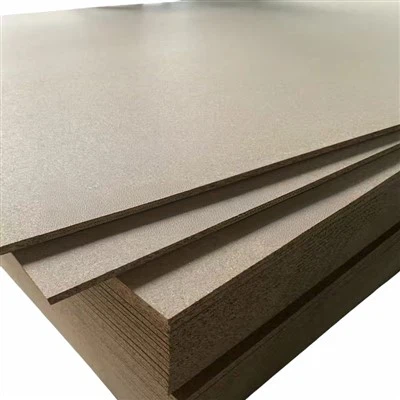
What are anti-mildew boards? Well, I'm in the business of supplying these boards, so I'm more than happy to give you the lowdown.
First off, let's talk about what mildew actually is. Mildew is a type of fungus that loves damp, warm environments. It can grow on all sorts of surfaces, and it's not just an eyesore. Mildew can cause a whole bunch of problems, like damaging the materials it grows on and even causing health issues for people who are exposed to it, especially those with allergies or respiratory problems.
Anti-mildew boards are designed to fight against this pesky fungus. They're made with special materials and treatments that prevent mildew from growing on their surfaces. These boards are a great solution for areas where moisture is high, like bathrooms, kitchens, basements, and even in some industrial settings where humidity control can be a challenge.
One of the key features of anti-mildew boards is their resistance to moisture. They're often made from materials that don't absorb water easily, or they're coated with a protective layer that repels water. This means that even when they're exposed to damp conditions, they're less likely to become a breeding ground for mildew.
Another important aspect is the use of anti-microbial agents. These are substances that are added to the board during the manufacturing process. They work by inhibiting the growth of mildew and other microorganisms. Some anti-mildew boards use natural anti-microbial agents, while others use synthetic ones. The goal is the same: to keep mildew at bay.
Now, let's talk about the different types of anti-mildew boards. There are several options available, depending on your specific needs. For example, there are Thin Fireproof Boards. These boards not only have anti-mildew properties but also offer fire resistance. This makes them a great choice for areas where fire safety is a concern, like commercial kitchens or industrial facilities.
Then, there are the standard Anti-mildew Boards. These are designed for general use in areas with high moisture. They're a cost-effective solution for homeowners and businesses looking to prevent mildew growth in bathrooms, laundry rooms, and other similar spaces.
If you're looking for an even higher level of protection, you might consider Antibacterial Boards. These boards are not only resistant to mildew but also to bacteria. They're often used in healthcare facilities, food processing plants, and other places where hygiene is of the utmost importance.
When it comes to installation, anti-mildew boards are pretty easy to work with. They can be cut, drilled, and fastened just like regular boards. However, it's important to follow the manufacturer's instructions to ensure that the boards are installed correctly. This will help to maximize their anti-mildew properties and ensure a long lifespan.

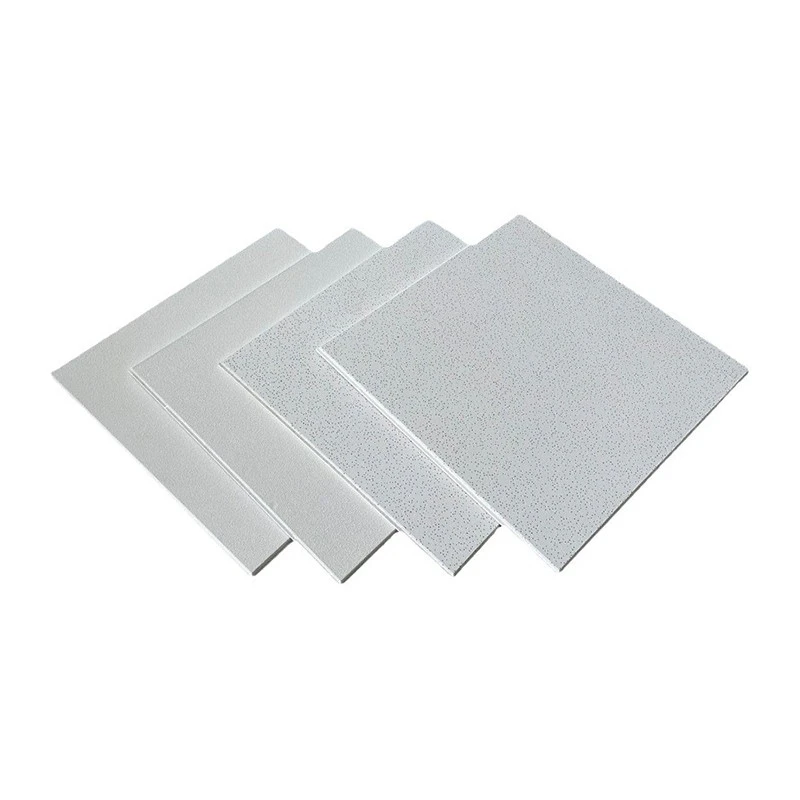
In terms of maintenance, anti-mildew boards are relatively low-maintenance. You just need to keep them clean and dry. Regular cleaning with a mild detergent and water will help to remove any dirt or debris that could potentially harbor mildew. And if you do notice any signs of mildew, you can usually clean it off with a mildew cleaner.
As a supplier of anti-mildew boards, I've seen firsthand the benefits that these boards can offer. They're a great investment for anyone looking to protect their property from the damaging effects of mildew. Whether you're a homeowner looking to renovate your bathroom or a business owner in need of a reliable solution for a high-moisture area, anti-mildew boards are definitely worth considering.
If you're interested in learning more about our anti-mildew boards or if you're ready to place an order, I encourage you to get in touch. We can provide you with more information, answer any questions you might have, and help you find the right product for your needs. Contact us today to start the conversation about how our anti-mildew boards can make a difference in your space.
References:
- General knowledge about mildew and anti-mildew materials from industry experience.
- Product specifications and research from the manufacturing of anti-mildew boards.