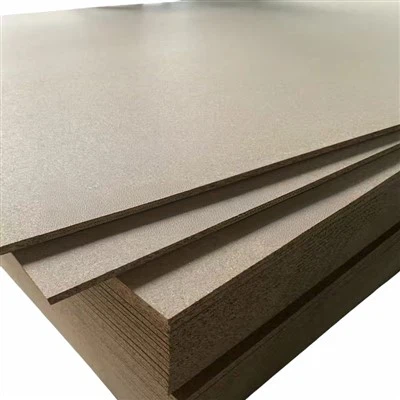
In the realm of fire safety, flame-retardant boards play a crucial role, especially in environments where oxygen levels are high. As a supplier of flame-retardant boards, I have witnessed firsthand the significance of these products in safeguarding lives and property. This blog post aims to delve into how flame-retardant boards perform in a fire with high oxygen levels, exploring the science behind their effectiveness and the practical implications for various applications.
Understanding the Role of Oxygen in Fires
Oxygen is one of the three essential elements in the fire triangle, along with fuel and heat. In a fire, oxygen supports combustion by reacting with the fuel, releasing energy in the form of heat and light. When the oxygen level is high, the fire burns more vigorously, spreading faster and generating more heat. This can pose a significant challenge for fire protection measures, as traditional materials may burn more readily and contribute to the rapid spread of the fire.
How Flame-Retardant Boards Work
Flame-retardant boards are designed to resist ignition and slow down the spread of fire. They achieve this through various mechanisms, including:
- Inerting: Some flame-retardant boards contain substances that release inert gases when heated, diluting the oxygen in the vicinity of the fire and reducing the likelihood of combustion.
- Cooling: Certain materials in the boards absorb heat, reducing the temperature of the fire and preventing it from spreading.
- Charring: Flame-retardant boards may form a char layer when exposed to fire, which acts as a barrier between the fire and the underlying material, slowing down the progression of the fire.
Performance in High-Oxygen Environments
In a fire with high oxygen levels, the performance of flame-retardant boards becomes even more critical. While the presence of excess oxygen can enhance the intensity of the fire, well-designed flame-retardant boards can still provide significant protection.
- Ignition Resistance: Flame-retardant boards are formulated to have a high ignition temperature, making them less likely to catch fire in the first place. Even in a high-oxygen environment, the boards can withstand the initial heat and prevent the fire from starting on their surface.
- Flame Spread: The char layer formed on the surface of the boards acts as a shield, slowing down the spread of the flame. This is particularly important in high-oxygen fires, where the flame can spread rapidly. By reducing the rate of flame spread, flame-retardant boards can buy valuable time for evacuation and firefighting efforts.
- Heat Release: Flame-retardant boards are designed to release less heat during a fire. In a high-oxygen environment, where the fire generates more heat, this can help to reduce the overall temperature of the fire and prevent it from reaching dangerous levels.
Applications of Flame-Retardant Boards in High-Oxygen Environments
Flame-retardant boards are used in a wide range of applications where fire safety is a concern, especially in high-oxygen environments. Some common applications include:
- Commercial Buildings: In commercial buildings such as offices, shopping malls, and hotels, flame-retardant boards are used for wall and ceiling cladding, partitions, and interior finishes. These boards help to prevent the spread of fire and protect the occupants and property.
- Industrial Facilities: Industrial facilities often have high oxygen levels due to the presence of machinery and processes. Flame-retardant boards are used in these facilities to line storage areas, control rooms, and other critical areas, providing an additional layer of fire protection.
- Transportation: In the transportation industry, flame-retardant boards are used in the interiors of airplanes, trains, and ships. These boards help to meet the strict fire safety regulations and ensure the safety of passengers and crew.
Our Product Offerings
As a supplier of flame-retardant boards, we offer a wide range of products to meet the diverse needs of our customers. Our products include High Density Moisture Resistant Board, Thin Fireproof Board, and Anti-mildew Boards.
- High Density Moisture Resistant Board: This board is designed to withstand high levels of moisture and humidity, making it ideal for use in areas such as bathrooms, kitchens, and basements. It also has excellent fire resistance properties, providing reliable protection in case of a fire.
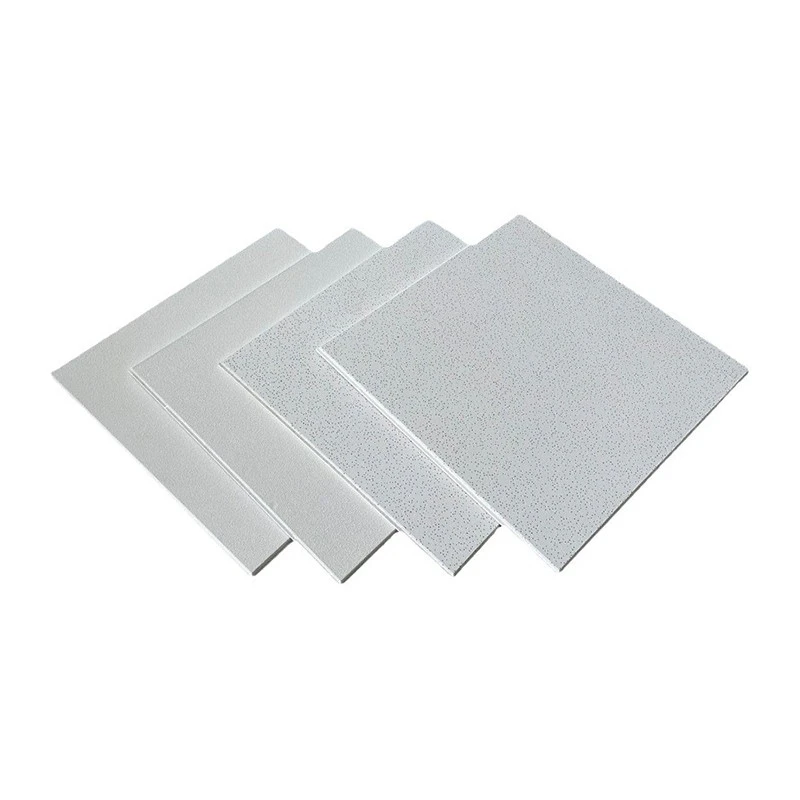
- Thin Fireproof Board: Our thin fireproof board is lightweight and easy to install, making it a popular choice for applications where space is limited. Despite its thinness, it offers high levels of fire protection and can effectively slow down the spread of fire.
- Anti-mildew Boards: These boards are treated with anti-mildew agents to prevent the growth of mold and mildew, ensuring a healthy and safe environment. They also have good fire resistance properties, making them suitable for use in areas where both fire and moisture are concerns.
Contact Us for Procurement
If you are interested in purchasing flame-retardant boards for your project, we would be happy to assist you. Our team of experts can provide you with detailed information about our products, including their specifications, performance, and pricing. We can also help you choose the right product for your specific needs and provide installation guidance.

To get in touch with us, please visit our website or send us an email. We look forward to hearing from you and helping you find the perfect flame-retardant solution for your project.
References
- National Fire Protection Association (NFPA). (2023). NFPA 101: Life Safety Code.
- ASTM International. (2023). Standard Test Methods for Flammability of Plastic Materials for Parts in Devices and Appliances.
- Underwriters Laboratories (UL). (2023). UL 94: Tests for Flammability of Plastic Materials for Parts in Devices and Appliances.