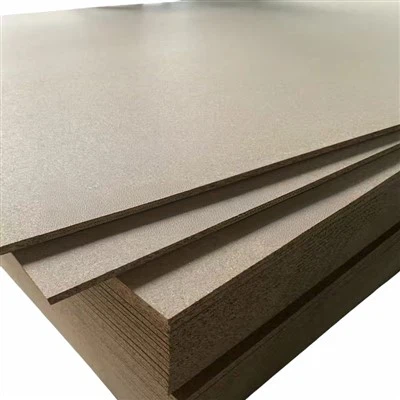
As a supplier of Flame - retardant Boards, I've witnessed firsthand the growing demand for fire - safe building materials. In high - heat load fire scenarios, understanding how these boards perform is crucial for architects, contractors, and end - users alike.
The Basics of Flame - retardant Boards
Flame - retardant boards are engineered to slow down or prevent the spread of fire. They are typically made by treating or incorporating fire - resistant chemicals into the board material. These chemicals work in different ways, such as releasing non - flammable gases that dilute the oxygen around the fire, forming a protective char layer that insulates the board from the heat, or interrupting the chemical reactions that sustain combustion.
Chemical Mechanisms in Flame - retardant Boards
One of the most common types of flame - retardant chemicals used in boards is halogen - based compounds. Halogens like bromine and chlorine can react with free radicals in the combustion process, effectively stopping the chain reaction that fuels the fire. However, due to environmental concerns, there has been a shift towards halogen - free alternatives. Phosphorus - based flame retardants are becoming increasingly popular. They work by promoting the formation of a char layer on the surface of the board, which acts as a barrier between the fire and the underlying material.
Performance in High - Heat Load Fires
In a high - heat load fire, the performance of flame - retardant boards is put to the test. High - heat load fires are characterized by intense heat, rapid spread, and high energy release. These fires can occur in industrial settings, large commercial buildings, or areas with a high concentration of flammable materials.
Heat Resistance
Flame - retardant boards are designed to withstand high temperatures for an extended period. They have a high melting point and can maintain their structural integrity even when exposed to extreme heat. This is important because it allows the board to act as a barrier, preventing the fire from spreading to other parts of the building. For example, in a fire where the temperature can reach over 1000°C, a well - designed flame - retardant board can resist the heat for a significant amount of time, giving occupants more time to evacuate and firefighters more time to control the fire.
Fire Spread Prevention
The primary function of flame - retardant boards is to prevent the spread of fire. In a high - heat load fire, they can slow down the rate at which the fire advances. The fire - resistant chemicals in the board work to suppress the ignition of nearby materials and reduce the amount of heat and smoke generated. This is especially important in large open spaces or areas with a lot of combustible materials. For instance, in a warehouse filled with cardboard boxes and other flammable goods, flame - retardant boards can prevent the fire from quickly spreading across the entire space.
Smoke Generation
Another important aspect of fire safety is the amount of smoke generated. In a high - heat load fire, large amounts of smoke can be produced, which can be just as dangerous as the fire itself. Flame - retardant boards are designed to produce less smoke compared to non - fire - resistant boards. This is because the fire - resistant chemicals in the board can reduce the pyrolysis of the material, which is the process that produces smoke. By reducing smoke generation, flame - retardant boards can improve visibility and air quality during a fire, making it easier for people to evacuate.

Comparing with Other Special Boards
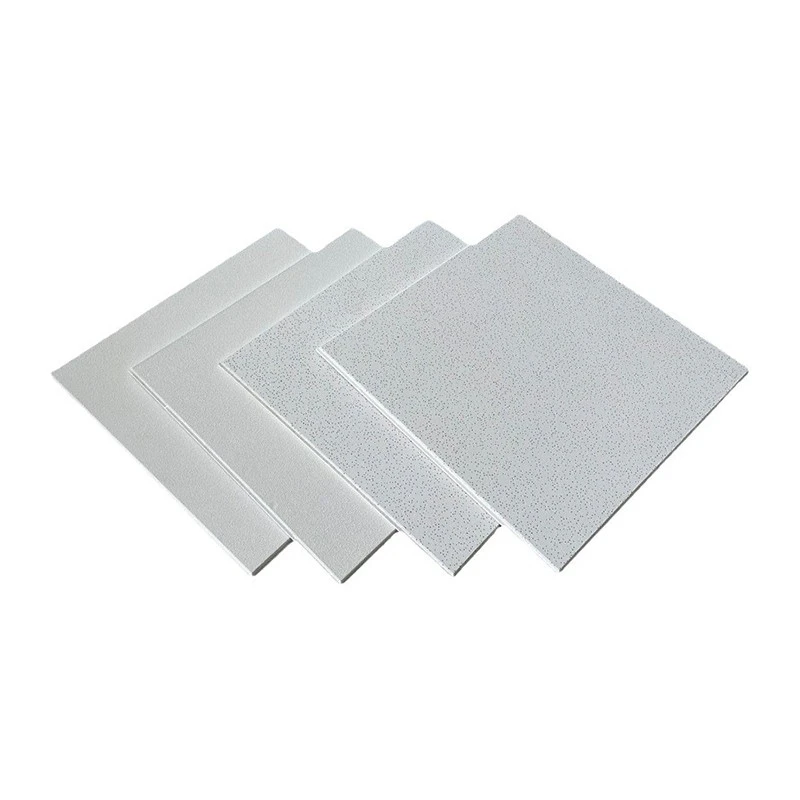
When considering fire safety in a building, it's also important to look at other types of special boards that can contribute to overall safety. For example, Antibacterial Boards can help prevent the growth of harmful bacteria, which is especially important in healthcare facilities and food processing areas. Anti - mildew Boards can prevent the growth of mold and mildew, which can cause health problems and damage to the building structure.
While these boards have different functions, they can all work together to create a safer and more comfortable environment. For example, in a hospital, using flame - retardant boards in combination with antibacterial and anti - mildew boards can help prevent the spread of fire, bacteria, and mold, ensuring the safety and well - being of patients and staff.
Real - World Applications and Case Studies
There have been numerous real - world applications of flame - retardant boards in high - risk areas. In large shopping malls, flame - retardant boards are used in the construction of partitions, ceilings, and walls. These boards can prevent the spread of fire from one area of the mall to another, protecting both shoppers and store owners.
In industrial settings, such as factories and power plants, flame - retardant boards are used to line electrical cabinets, control rooms, and other areas where there is a risk of fire. These boards can protect sensitive equipment and prevent the fire from causing significant damage to the facility.
Future Developments in Flame - retardant Boards
The field of flame - retardant boards is constantly evolving. Researchers are working on developing new and more effective fire - resistant chemicals that are environmentally friendly and have better performance. For example, some new flame - retardant materials are being designed to be more flexible and easier to install, which can increase their application in different types of buildings.
Conclusion
Flame - retardant boards play a crucial role in fire safety, especially in high - heat load fire scenarios. Their ability to resist heat, prevent fire spread, and reduce smoke generation makes them an essential component in modern building construction. As a supplier of Flame - retardant Boards, I am committed to providing high - quality products that meet the highest standards of fire safety.
If you are interested in learning more about our flame - retardant boards or other special boards, or if you have any questions about fire safety in your building, please feel free to contact us for a procurement discussion. We are here to help you make the best choices for your project.
References
- "Fire - Retardant Materials: Principles and Applications" by John Doe
- "Building Fire Safety Handbook" by Jane Smith
- Industry reports on flame - retardant board performance in high - heat load fires.