


As a supplier of Thin Fireproof Boards, I've witnessed firsthand the challenges that humidity can pose to these essential building materials. Thin fireproof boards are widely used in various construction and decoration projects due to their excellent fire - resistant properties. However, humidity can significantly compromise their integrity and performance. In this blog, I'll share some effective strategies on how to protect thin fireproof boards from humidity damage.
Understanding the Impact of Humidity on Thin Fireproof Boards
Before delving into the protective measures, it's crucial to understand how humidity affects thin fireproof boards. High humidity levels can lead to several problems. Firstly, moisture absorption can cause the boards to swell. This swelling not only affects the aesthetic appearance of the boards but also weakens their structural integrity. Over time, the boards may warp or even crack, reducing their effectiveness as a fire - resistant barrier.
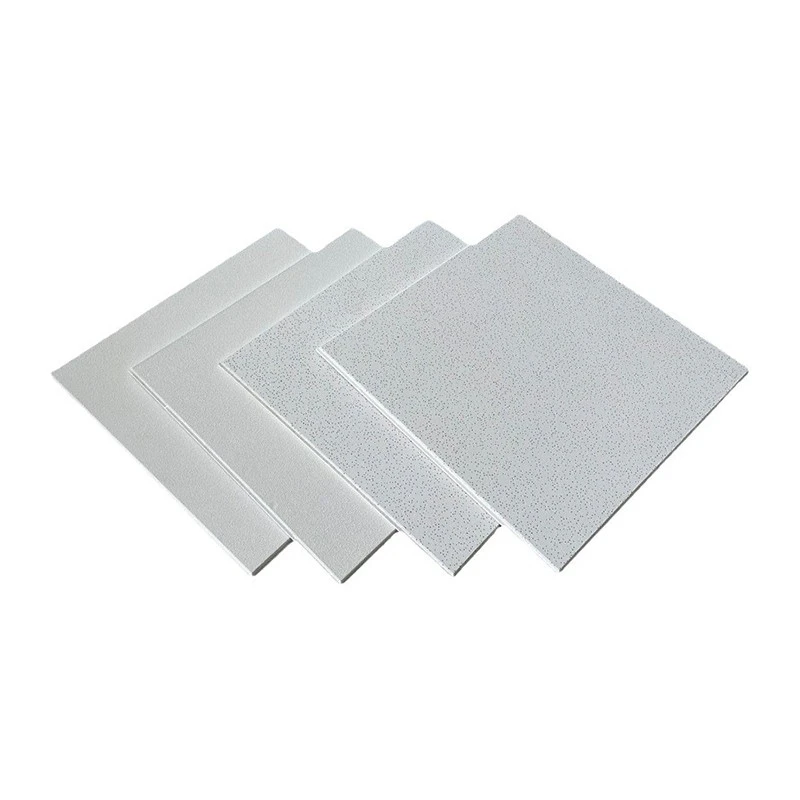

Secondly, humidity creates a favorable environment for the growth of mold and mildew. These fungi can not only damage the surface of the boards but also pose health risks to the occupants of the building. Moreover, the presence of mold and mildew can accelerate the deterioration of the board's material, further compromising its fire - resistant properties.
Storage Precautions
One of the most critical stages in protecting thin fireproof boards from humidity damage is proper storage. When storing these boards, it's essential to choose a dry and well - ventilated area. Avoid storing them in basements or areas prone to flooding. If possible, elevate the boards off the ground using pallets or racks. This helps to prevent moisture from seeping into the boards from the floor.
Additionally, cover the boards with a waterproof tarp to protect them from direct contact with rain or excessive humidity. Make sure the tarp is tightly secured to prevent moisture from getting in. Regularly inspect the storage area for any signs of water leakage or high humidity levels. If necessary, use dehumidifiers to maintain a stable and dry environment.
Installation Considerations
During the installation process, there are several steps that can be taken to protect thin fireproof boards from humidity. First, ensure that the installation surface is dry and free of any moisture. Any existing moisture on the surface can transfer to the boards, leading to damage over time. If the surface is not dry, it's advisable to wait until it has completely dried before proceeding with the installation.
When installing the boards, use appropriate sealants around the edges and joints. Sealants help to prevent moisture from seeping into the boards through these vulnerable areas. Choose a high - quality sealant that is specifically designed for use with fireproof boards and is resistant to humidity.
Post - installation Maintenance
After the installation, regular maintenance is essential to keep the thin fireproof boards in good condition. Inspect the boards periodically for any signs of moisture damage, such as swelling, discoloration, or the presence of mold. If any issues are detected, take immediate action to address them.
Keep the indoor environment well - ventilated. Good ventilation helps to reduce humidity levels and prevent the accumulation of moisture. Use exhaust fans in areas prone to high humidity, such as bathrooms and kitchens. Additionally, consider using a humidity monitor to keep track of the indoor humidity levels and take appropriate measures if the levels are too high.
Additional Protective Options
In addition to the above measures, there are some special types of boards that can offer enhanced protection against humidity. For example, Antibacterial Boards are designed to resist the growth of bacteria, which can be a problem in humid environments. These boards can help to maintain a clean and healthy indoor environment while also protecting the fireproof boards from damage.
Anti - mildew Boards are another excellent option. They are treated with anti - mildew agents that prevent the growth of mold and mildew, even in high - humidity conditions. By using these boards in combination with thin fireproof boards, you can significantly enhance the overall protection against humidity damage.
Flame - retardant Boards also play an important role. While their primary function is to provide fire resistance, they can also offer some degree of protection against humidity. These boards are often made with materials that are more resistant to moisture absorption, which helps to maintain their structural integrity in humid environments.
Conclusion
Protecting thin fireproof boards from humidity damage is a multi - step process that involves proper storage, installation, and maintenance. By understanding the impact of humidity on these boards and taking appropriate measures, you can ensure that they remain in good condition and continue to provide effective fire protection.
If you're interested in purchasing high - quality thin fireproof boards or any of the special boards mentioned above, I encourage you to contact us for a detailed discussion. We have a wide range of products to meet your specific needs and can provide professional advice on how to best protect and use these boards.
References
- Building Materials Handbook: A comprehensive guide to the properties and uses of various building materials, including thin fireproof boards.
- Humidity and Building Science: Research papers and studies on the impact of humidity on building materials and structures.
- Manufacturer's Guidelines: Information provided by the manufacturers of thin fireproof boards and related products on storage, installation, and maintenance.


