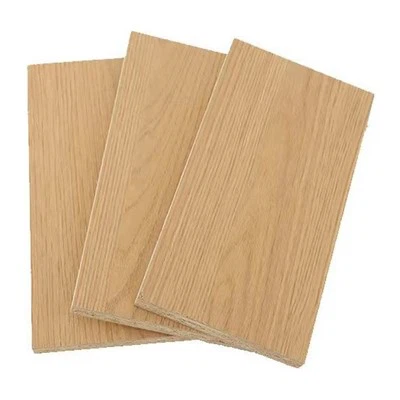
Building cabinets with plywood is a rewarding DIY project that combines functionality with aesthetics. As a plywood supplier, I've witnessed firsthand the versatility and durability of plywood in cabinet construction. In this blog, I'll guide you through the process of building cabinets with plywood, from choosing the right materials to the final touches.
Choosing the Right Plywood
The first step in building cabinets with plywood is selecting the appropriate type of plywood for your project. There are several factors to consider, including the cabinet's intended use, the desired finish, and your budget. Here are some common types of plywood that are suitable for cabinet construction:
- Pine Core Plywood: Pine Core Plywood is a popular choice for cabinet construction due to its affordability and availability. It has a smooth surface that is easy to paint or stain, making it a versatile option for various cabinet styles.
- Solid Wood Veneer Plywood: Solid Wood Veneer Plywood is a high-quality option that provides the look and feel of solid wood at a lower cost. It consists of a thin layer of real wood veneer bonded to a plywood core, giving it a natural and elegant appearance.
- Fir Core Plywood: Fir Core Plywood is known for its strength and stability, making it a great choice for cabinets that will be subjected to heavy use. It has a tight grain pattern and a smooth finish, which makes it suitable for both painted and stained cabinets.
When choosing plywood, look for panels that are free of defects, such as knots, voids, or warping. The thickness of the plywood will depend on the size and weight of the cabinet, but a common thickness for cabinet construction is 3/4 inch.
Measuring and Cutting the Plywood
Once you've chosen the right plywood for your project, it's time to measure and cut the panels to the appropriate size. Start by creating a detailed plan or blueprint of your cabinets, including the dimensions of each component. Use a tape measure and a straightedge to mark the cutting lines on the plywood, and then use a circular saw or a table saw to make the cuts.
When cutting the plywood, it's important to use a sharp blade and to make sure the saw is set at the correct depth. This will help to prevent splintering and ensure a clean, precise cut. You may also want to use a guide or a fence to keep the saw blade straight and to ensure that the cuts are accurate.
Assembling the Cabinet Frames
After cutting the plywood panels, it's time to assemble the cabinet frames. The frames provide the structure and support for the cabinet, so it's important to make sure they are sturdy and well-built. Start by cutting the framing members to the appropriate length, and then use a drill and screws to join them together at the corners.
When assembling the frames, make sure the corners are square and that the frame is level. You can use a carpenter's square to check the angles and a level to ensure that the frame is flat. Once the frames are assembled, you can attach the plywood panels to the frames using screws or nails.
Installing the Cabinet Doors and Drawers
The next step in building cabinets with plywood is installing the cabinet doors and drawers. The doors and drawers are an important part of the cabinet, as they provide access to the contents of the cabinet and add to its overall appearance.


To install the cabinet doors, start by attaching the hinges to the doors and the cabinet frames. Make sure the hinges are properly aligned and that the doors open and close smoothly. You can then use a drill and screws to attach the doors to the frames.
To install the cabinet drawers, start by cutting the drawer boxes to the appropriate size and then assembling them using screws or nails. You can then attach the drawer slides to the sides of the drawer boxes and the cabinet frames, making sure the slides are properly aligned and that the drawers open and close smoothly.
Finishing the Cabinets
Once the cabinets are assembled and the doors and drawers are installed, it's time to finish the cabinets. The finish not only protects the plywood from damage but also enhances the appearance of the cabinets.
There are several types of finishes that you can use on plywood cabinets, including paint, stain, and clear coat. The type of finish you choose will depend on the look you want to achieve and the level of protection you need.
If you choose to paint the cabinets, start by sanding the surface of the plywood to smooth out any rough spots or imperfections. You can then apply a primer to the surface to help the paint adhere better. Once the primer is dry, you can apply the paint using a brush, roller, or spray gun.
If you choose to stain the cabinets, start by sanding the surface of the plywood to open up the pores and allow the stain to penetrate. You can then apply the stain using a brush or a cloth, following the manufacturer's instructions. Once the stain is dry, you can apply a clear coat to protect the stain and give the cabinets a smooth, durable finish.
Conclusion
Building cabinets with plywood is a challenging but rewarding DIY project that allows you to create custom cabinets that are tailored to your specific needs and style. By choosing the right plywood, measuring and cutting the panels accurately, assembling the frames and doors, and finishing the cabinets properly, you can create cabinets that are both functional and beautiful.
If you're interested in purchasing plywood for your cabinet project, please feel free to contact us. We offer a wide range of high-quality plywood products, including Pine Core Plywood, Solid Wood Veneer Plywood, and Fir Core Plywood. Our knowledgeable staff can help you choose the right plywood for your project and provide you with the information and support you need to ensure a successful project.
References
- "Cabinet Making Basics" by Popular Woodworking Magazine
- "Plywood: A Complete Guide" by The Home Depot
- "DIY Cabinet Building" by Family Handyman