


In the world of industrial and commercial applications, static electricity is not just a minor annoyance; it can be a significant hazard. From affecting the performance of sensitive electronic equipment to posing a risk of fire in combustible environments, the need to manage and control static electricity is crucial. As a provider of special sheet materials, I often encounter questions from customers about the static resistance of our products. So, are special sheet materials resistant to static electricity? Let's delve into this topic.
Understanding Static Electricity
Static electricity is the result of an imbalance of electric charges within or on the surface of a material. It occurs when two materials come into contact and then separate, causing electrons to transfer from one material to the other. This imbalance can create a build - up of charge, which can lead to sudden discharges, also known as electrostatic discharge (ESD).
In industrial settings, ESD can cause damage to electronic components, disrupt manufacturing processes, and even pose a safety risk in environments where there are flammable substances. For example, in the electronics manufacturing industry, a single ESD event can render a microchip useless, leading to significant production losses.
Special Sheet Materials and Their Properties
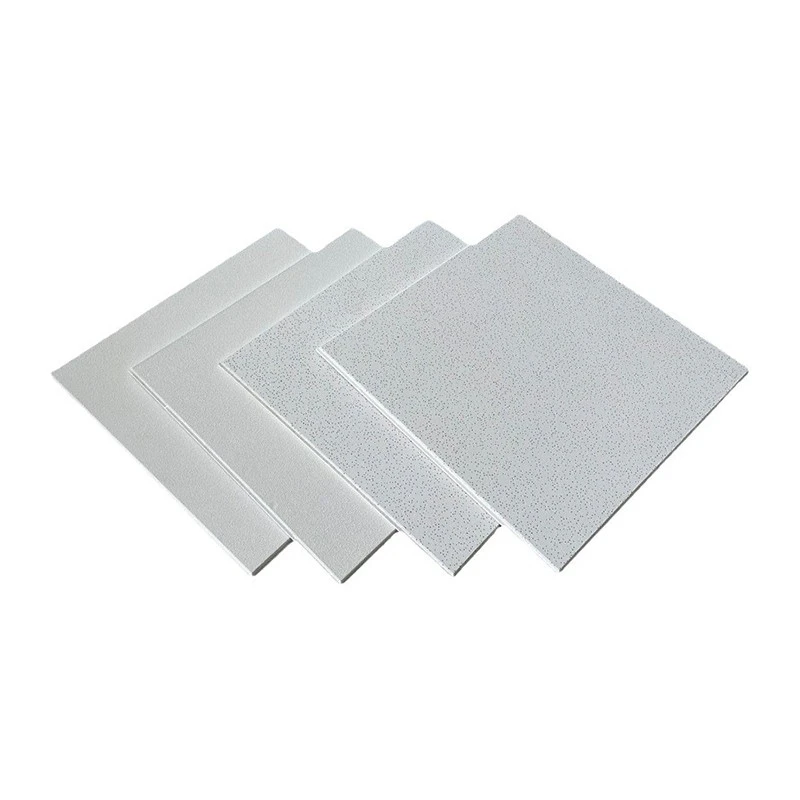
Our company offers a wide range of special sheet materials, each with its own unique set of properties designed to meet various industrial needs. Some of our popular products include Thin Fireproof Board, Anti-mildew Boards, and Flame-retardant Boards.
When it comes to static resistance, the performance of special sheet materials depends on several factors, including the type of material, its chemical composition, and the manufacturing process.
Conductive Materials
One way to achieve static resistance is by using conductive materials. Conductive special sheet materials contain substances that allow electrons to flow freely, preventing the build - up of static charge. For example, some sheets may be infused with conductive polymers or carbon fibers. These materials provide a path for the static charge to dissipate, reducing the risk of ESD.
In the case of our Flame-retardant Boards, in some advanced production processes, a small amount of conductive additives can be incorporated during the manufacturing. This not only maintains the flame - retardant properties but also imparts a certain degree of static resistance, making it suitable for use in environments where both fire safety and static control are required, such as electrical panel enclosures.
Antistatic Coatings
Another approach is to apply antistatic coatings to the surface of the special sheet materials. Antistatic coatings work by attracting and holding moisture from the air, which helps to conduct static charges away from the surface. These coatings are commonly used on materials that are inherently non - conductive, such as plastic sheets.
Our Thin Fireproof Board can be treated with an antistatic coating to enhance its static resistance. This is particularly useful in applications where the board is used in clean rooms or electronics assembly areas, where even a small amount of static electricity can cause problems.
Surface Resistance Measurement
To determine the static resistance of special sheet materials, surface resistance measurement is often used. Surface resistance is a measure of how easily an electric current can flow across the surface of a material. Materials with low surface resistance are more conductive and are therefore better at dissipating static charge.
Industry standards typically specify the acceptable range of surface resistance for materials used in static - sensitive environments. For example, in the electronics industry, materials used in the handling and packaging of electronic components should have a surface resistance in the range of 10^6 to 10^9 ohms per square. Our quality control team regularly tests our special sheet materials to ensure that they meet these standards.
Applications and Benefits of Static - Resistant Special Sheet Materials
The use of static - resistant special sheet materials offers numerous benefits across various industries.
Electronics Industry
In the electronics industry, static - resistant materials are essential for protecting sensitive electronic components from ESD damage. Our Anti-mildew Boards with static - resistant properties can be used as packaging materials for electronic devices during transportation and storage. This helps to prevent static charges from building up on the surface of the boards and damaging the components inside.
Pharmaceutical Industry
In the pharmaceutical industry, where cleanliness and safety are of utmost importance, static - resistant special sheet materials can play a crucial role. These materials can be used in the construction of clean rooms, where they help to prevent the accumulation of dust particles that are attracted to static charges. By reducing the presence of dust, the risk of contamination in the production process is minimized.
Chemical Industry
In the chemical industry, static electricity can be a significant fire and explosion hazard. Static - resistant special sheet materials can be used in areas where flammable chemicals are stored or handled. For example, our flame - retardant and static - resistant boards can be used to construct storage cabinets or protective barriers, providing an extra layer of safety.
Testing and Certification
To ensure the quality and performance of our static - resistant special sheet materials, we conduct rigorous testing. Our testing facilities are equipped with state - of - the - art equipment to measure surface resistance, flame retardancy, and other important properties.

In addition to our in - house testing, our products are also certified by relevant industry bodies. These certifications serve as a guarantee of the quality and compliance of our materials with international standards. This gives our customers peace of mind knowing that they are using reliable and high - quality products.
Conclusion
In conclusion, special sheet materials can be made resistant to static electricity through various methods, such as using conductive materials, applying antistatic coatings, and controlling the surface resistance. Our company, as a provider of special sheet materials, offers a range of products that are designed to meet the static - control requirements of different industries.
If you are in need of special sheet materials with static - resistant properties, we are here to help. Our team of experts can provide you with detailed information about our products, assist you in selecting the most suitable materials for your application, and offer technical support throughout the procurement process. Whether you are in the electronics, pharmaceutical, or chemical industry, we have the solutions to meet your needs. Contact us today to start a procurement discussion and find the perfect special sheet materials for your project.
References
- Electrostatic Discharge Association (ESDA). Standards and Recommended Practices for Electrostatic Discharge Control.
- International Electrotechnical Commission (IEC). Standards for Electrical Safety and Static Control.
- ASTM International. Standards for Testing and Evaluation of Special Sheet Materials.


